Causes of fire
The causes of fires than can lead to the combination of compustible matter, oxygen and the source of ignition of fire are electric, chemical, thermal and mechanical.
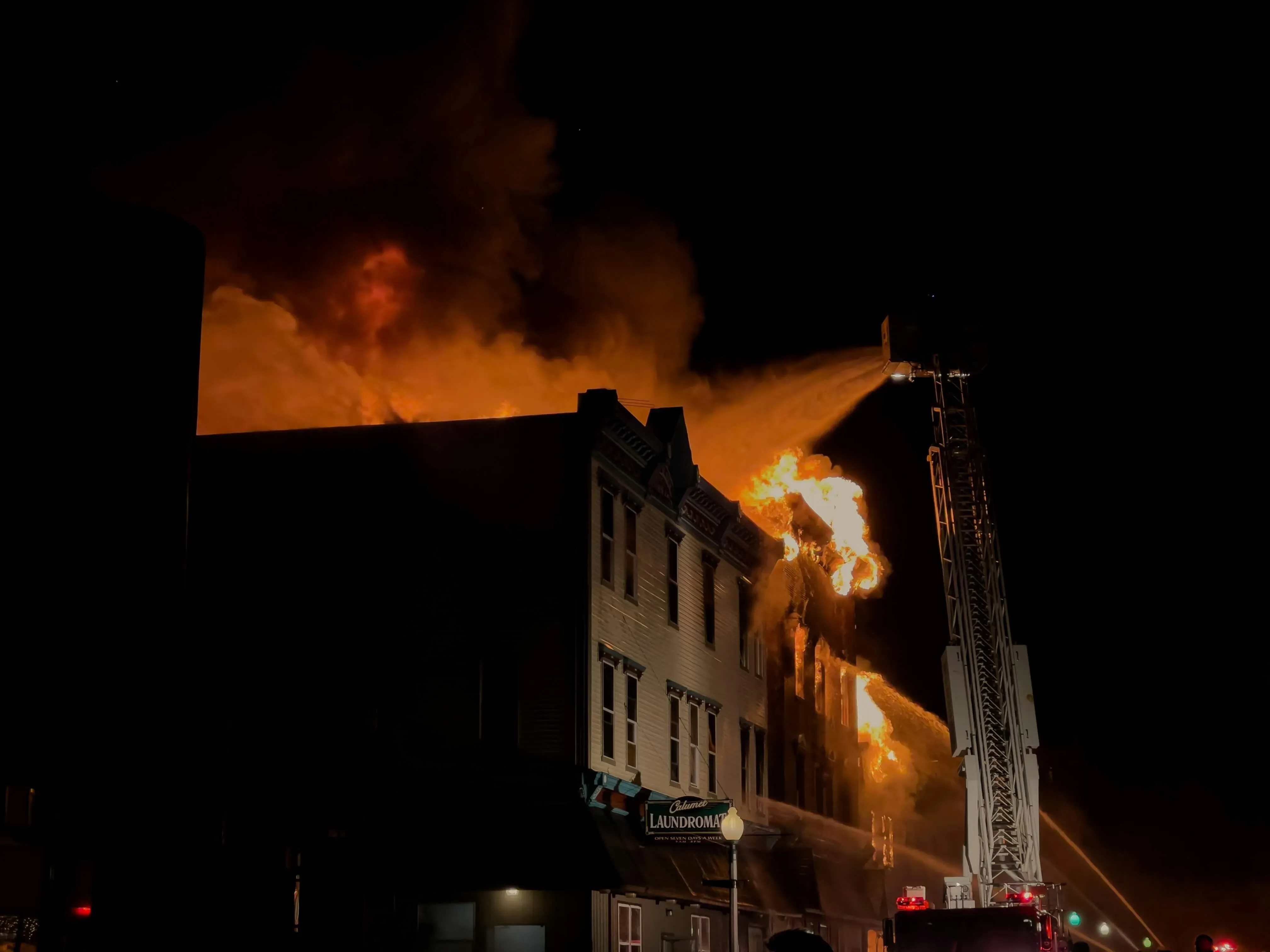
Types of fires
Depending on the type of combustible material, they are divided into:
- Class A: fires of combustible solids, which are mainly of organic origin and burn under normal conditions to form embers (wood, paper, straw, textiles, coal,...)
- Class B: fires of flammable liquid substances or substances that become liquid (gasoline, oils, petroleum, fats, waxes, varnishes, resins,...)
- Class C: combustible gas fires (butane-propane, methane, acetylene, hydrogen,...)
- Class D: metal fires (magnesium, aluminum dust,...)
Class E was also sometimes mentioned, which meant fires of live electrical appliances.
- Class A: fires of combustible solids, which are mainly of organic origin and burn under normal conditions to form embers (wood, paper, straw, textiles, coal,...)
- Class B: fires of flammable liquid substances or substances that become liquid (gasoline, oils, petroleum, fats, waxes, varnishes, resins,...)
- Class C: combustible gas fires (butane-propane, methane, acetylene, hydrogen,...)
- Class D: metal fires (magnesium, aluminum dust,...)
Class E was also sometimes mentioned, which meant fires of live electrical appliances.

Solar power plants
Unofficial data from Slovenian electrical experts indicate that only 4 out of 100 inspected power plants meet proper electrotechnical standards, while around 50% of building fires are caused by electricity, highlighting the serious fire risk of solar systems, especially due to poor maintenance of smaller installations.
Although systems may function properly at the beginning, their long-term reliability over a lifespan of at least 25 years is uncertain. Exposure to harsh conditions such as temperature fluctuations, wind, hail, and animals increases the likelihood of faults, which can lead to electric arcs, short circuits, overheating, and ultimately fires.
Although systems may function properly at the beginning, their long-term reliability over a lifespan of at least 25 years is uncertain. Exposure to harsh conditions such as temperature fluctuations, wind, hail, and animals increases the likelihood of faults, which can lead to electric arcs, short circuits, overheating, and ultimately fires.
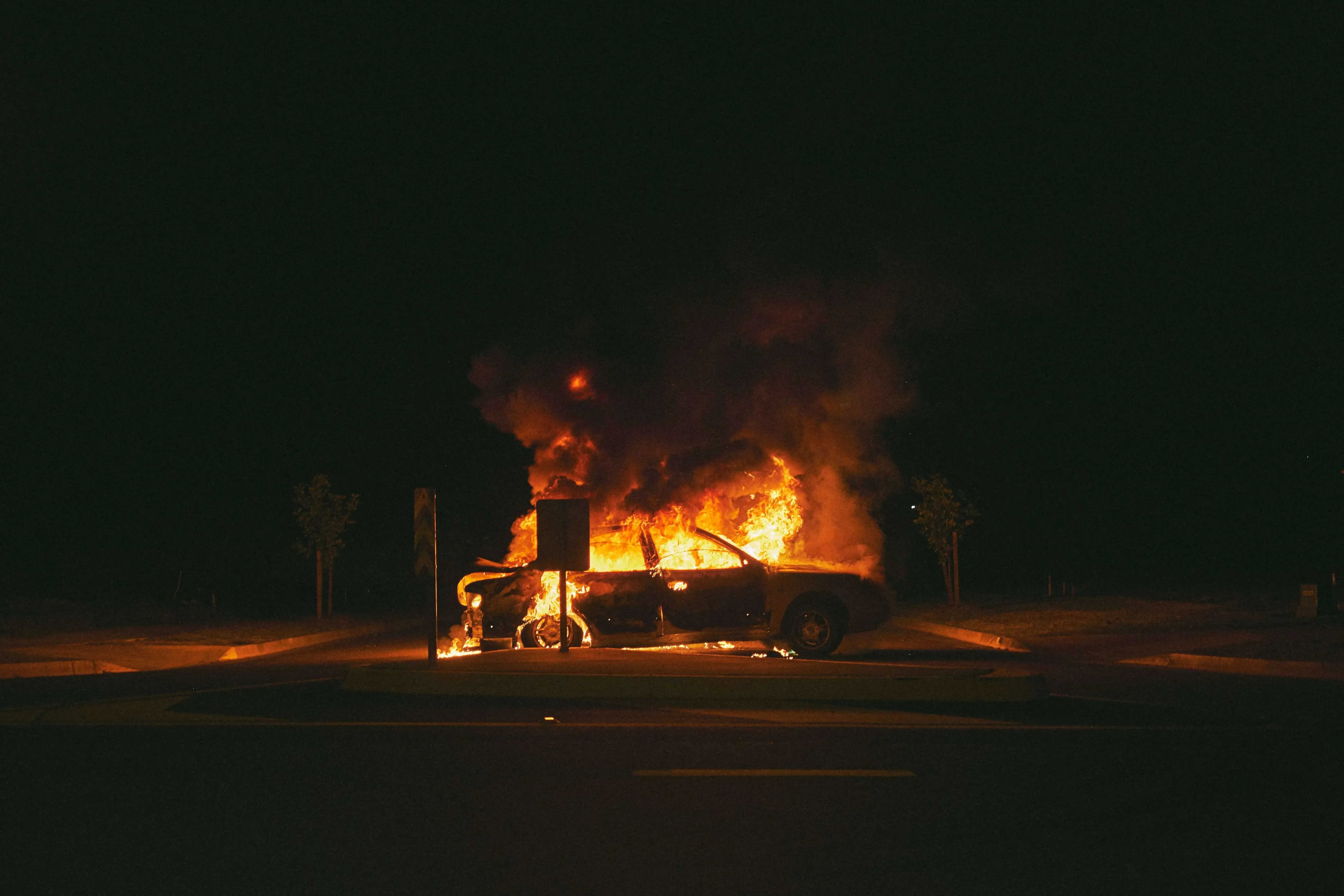
Vehicles and vessels
Fire in a vehicle or vessel can spread rapidly, especially in the engine compartment or due to worn electrical wiring. An automatic fire extinguisher can help you quickly control or limit the fire at its early stage.
It is also recommended to carry an ABC powder or CO₂ fire extinguisher. Never open the engine hood before extinguishing the fire, as the sudden influx of oxygen can cause it to intensify beyond control.
It is also recommended to carry an ABC powder or CO₂ fire extinguisher. Never open the engine hood before extinguishing the fire, as the sudden influx of oxygen can cause it to intensify beyond control.
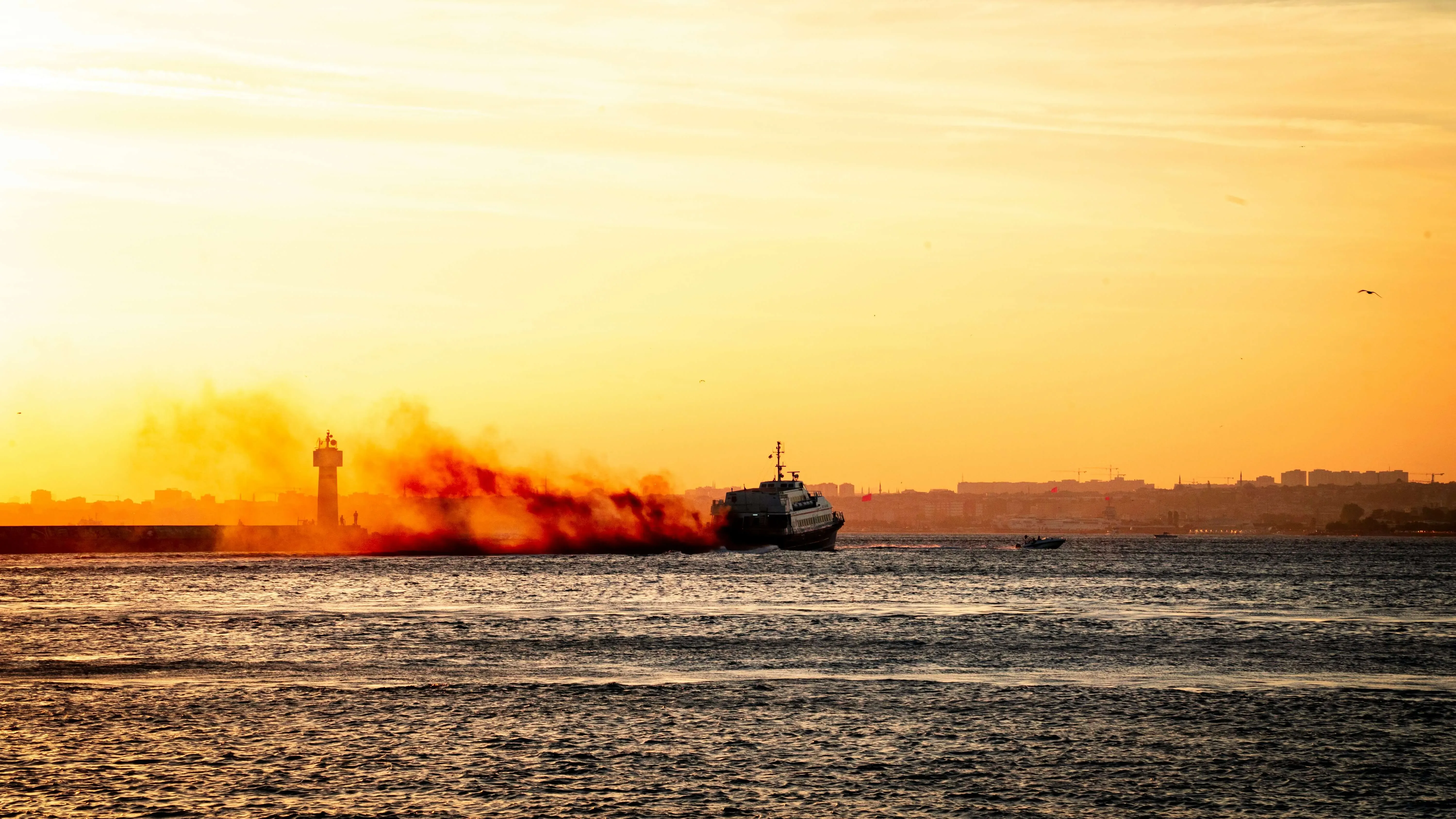
Fires on boats and barges
Fires on vessels are most often caused by external sources (26%), faulty engine wiring (20%), DC and AC electrical issues, overheating, and battery faults.
Prevention includes regular inspection and maintenance of wiring and cooling systems, proper connections, and timely replacement of worn parts. Installing an automatic fire extinguisher is highly recommended for early fire control.
Prevention includes regular inspection and maintenance of wiring and cooling systems, proper connections, and timely replacement of worn parts. Installing an automatic fire extinguisher is highly recommended for early fire control.
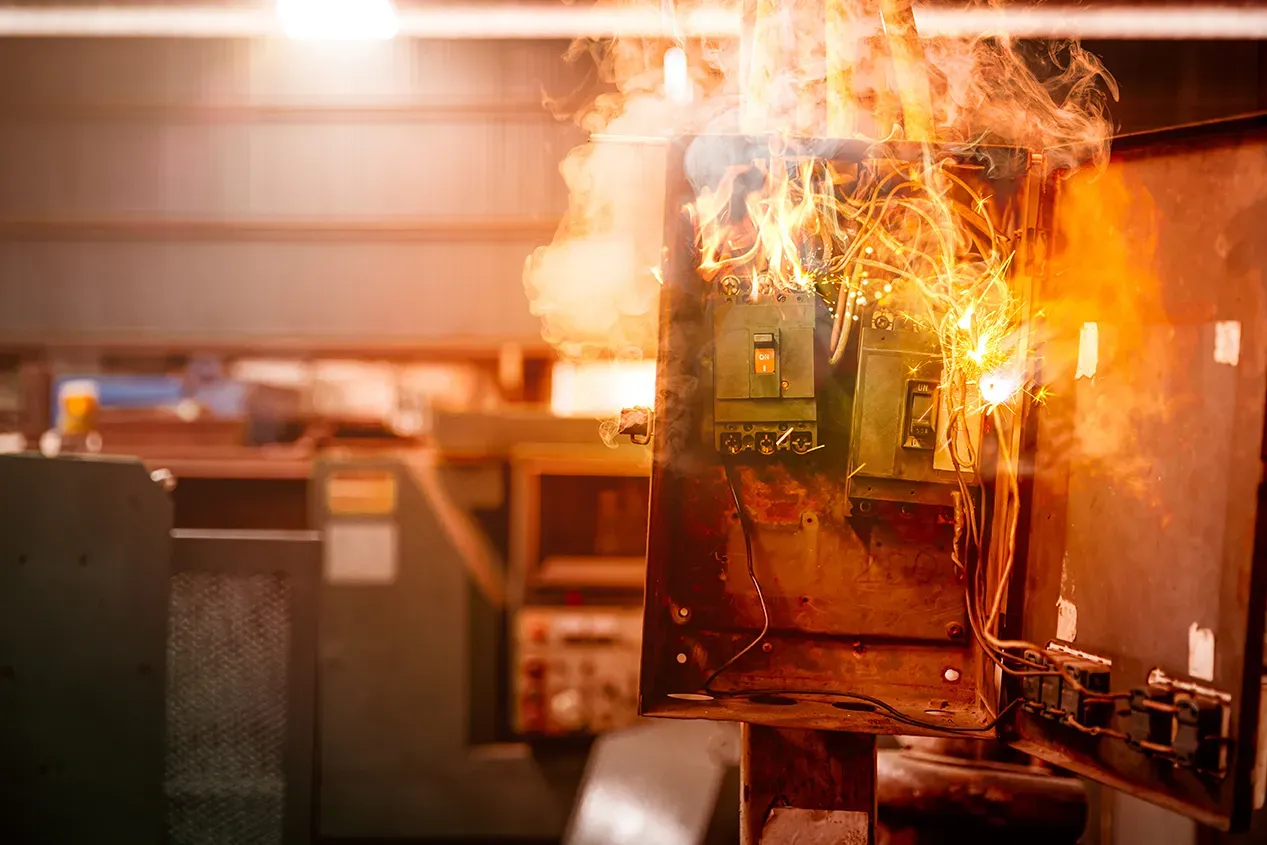
Electrical cabinets and servers
Electricity can cause fires when cables and components overheat, leading to loose or poor connections. Common causes include worn wiring, faulty electrical cabinets, lack of maintenance, overloaded installations, and improper use of extension cords.
Over time, neglected wires, fuses, and other components can overheat and create sparks or short circuits. If flammable materials are nearby, this can quickly lead to a fire.
Over time, neglected wires, fuses, and other components can overheat and create sparks or short circuits. If flammable materials are nearby, this can quickly lead to a fire.
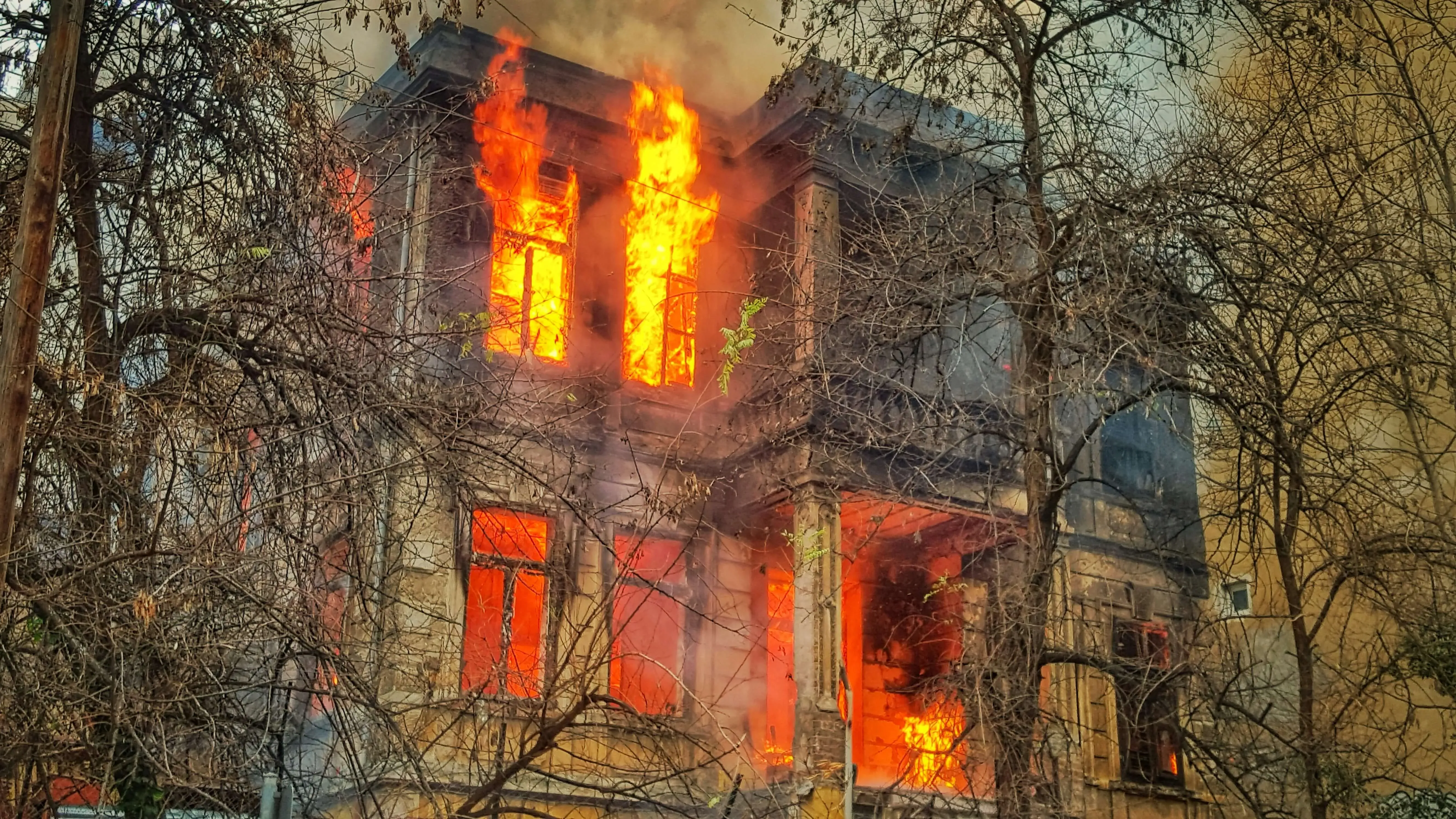
Causes of fires in the living environment
People spend most of their time in the living environment, making it highly exposed to fire risks—especially in winter when heating devices are used more intensively.
The most common causes of fire include:
- unattended appliances (iron, stove, etc.);
- faulty or outdated gas and electrical installations;
- improper use of heating systems and incorrect handling of gas cylinders;
- unsafe storage of flammable substances;
- open flames (candles, lamps, heaters) and careless disposal of cigarette butts;
- poorly constructed chimneys;
- heat sources placed too close to combustible materials;
- unsafe cooking setups near barns or stored crops;
- unprofessional temporary electrical or gas installations;
- children accessing ignition sources;
- lightning strikes.
The most common causes of fire include:
- unattended appliances (iron, stove, etc.);
- faulty or outdated gas and electrical installations;
- improper use of heating systems and incorrect handling of gas cylinders;
- unsafe storage of flammable substances;
- open flames (candles, lamps, heaters) and careless disposal of cigarette butts;
- poorly constructed chimneys;
- heat sources placed too close to combustible materials;
- unsafe cooking setups near barns or stored crops;
- unprofessional temporary electrical or gas installations;
- children accessing ignition sources;
- lightning strikes.
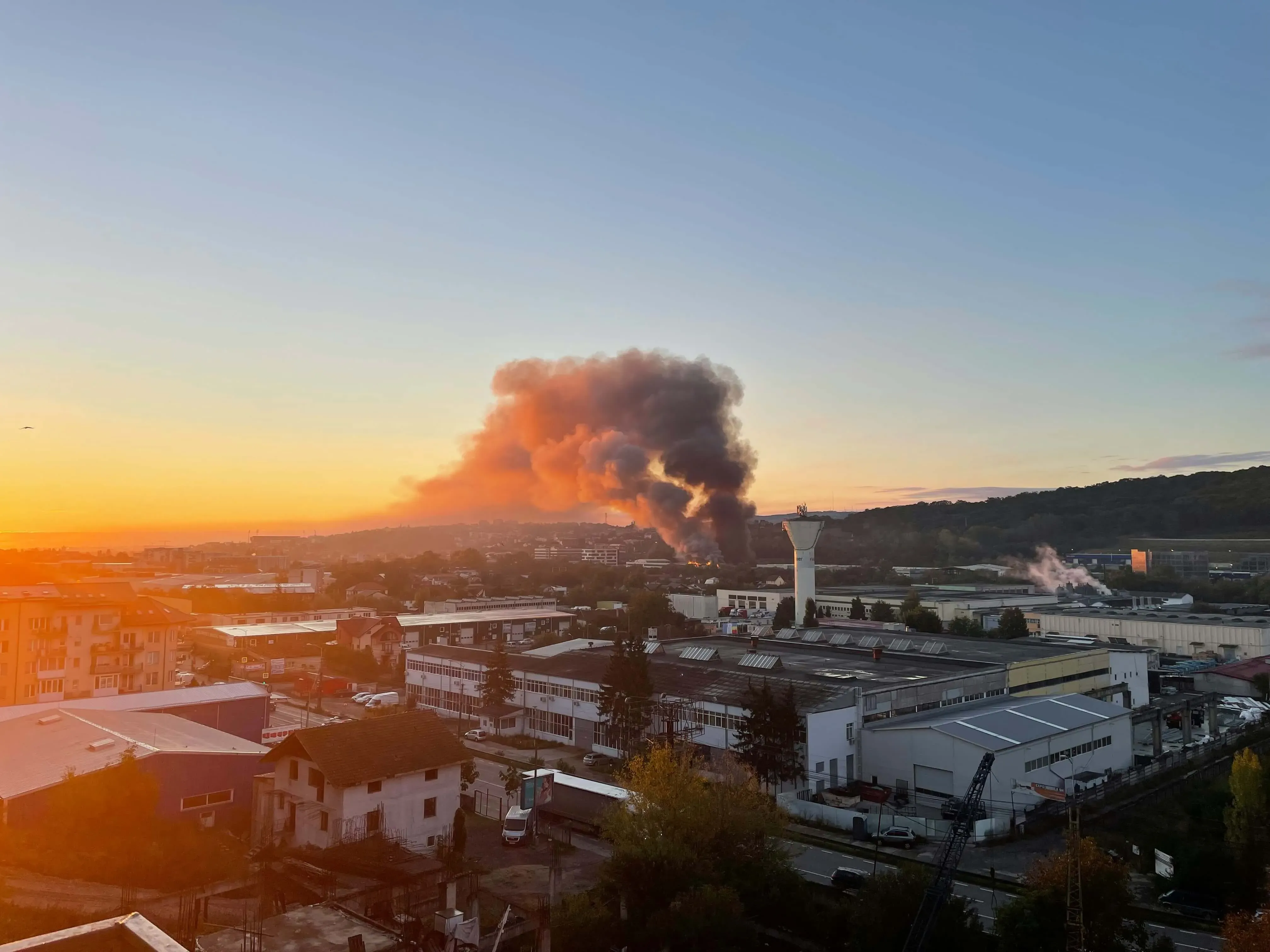
Common causes of fire in the work (industrial) environment
The most common causes of fire in the work environment are:
- unsafe welding, cutting, and metal joining operations;
- friction and overheating in machines and transmission systems;
- faulty, worn, or damaged electrical devices and installations;
- improper handling of flammable and hazardous substances;
- self-ignition of oil- or grease-soaked materials;
- process errors leading to fire, explosion, or spontaneous combustion;
poor maintenance and control of electrical, gas, and other systems;
- overloading and overheating of equipment and machinery;
- careless disposal of cigarette butts in fire-risk areas;
- poor workplace cleanliness and organization;
- widespread use of flammable and explosive materials;
- violation of safety and fire protection procedures.
- unsafe welding, cutting, and metal joining operations;
- friction and overheating in machines and transmission systems;
- faulty, worn, or damaged electrical devices and installations;
- improper handling of flammable and hazardous substances;
- self-ignition of oil- or grease-soaked materials;
- process errors leading to fire, explosion, or spontaneous combustion;
poor maintenance and control of electrical, gas, and other systems;
- overloading and overheating of equipment and machinery;
- careless disposal of cigarette butts in fire-risk areas;
- poor workplace cleanliness and organization;
- widespread use of flammable and explosive materials;
- violation of safety and fire protection procedures.